Medellín has spent the last two decades rewriting its global narrative, transforming from a city known for its turbulent past into a beacon of innovation, technology, and forward‑thinking urban design. This renaissance is visible not only in the sleek metro cables that glide up the mountainsides or the sprawling library parks that anchor once‑forgotten neighborhoods; it’s humming inside the walls of countless flexible offices, coworking hubs, and thoughtfully designed meeting rooms in Medellín. For remote workers, entrepreneurs, and growing companies, the city has become a magnet for talent and creativity, and the way people gather to exchange ideas is evolving just as fast as the skyline. A meeting room here is rarely just a table and four chairs. It has become a curated experience—an intentional environment where digital nomads close deals, local startups pitch to international investors, and hybrid teams connect across continents without a glitch. Understanding this shift is essential for anyone looking to harness the energy of the “City of Eternal Spring” for their next professional milestone.
The Rise of Flexible Gathering Spaces in Medellín’s Innovation Districts
Walk through neighborhoods like Ciudad del Río, El Poblado, or Laureles on any given weekday, and you’ll see the evidence of a quiet revolution in how work gets done. The traditional long‑term office lease is giving way to a far more fluid model, one built around on‑demand access, community, and environments that flex with the rhythm of a project. This cultural shift has fueled an explosion of coworking spaces and, crucially, the demand for professional meeting rooms that feel neither sterile like a corporate boardroom nor as haphazard as a café corner table. The historic industrial zone of Ciudad del Río, in particular, has blossomed into a creative district where former warehouses sit beside contemporary architecture, and it’s here that many of the city’s most inspiring meeting rooms in Medellín can be found.
Why the surge? Medellín has become a strategic hub for distributed teams. Companies based in North America or Europe are drawn by the time zone alignment, the competitive cost of living, and the deep pool of bilingual talent. Local businesses, too, have embraced a more agile mindset. Instead of dedicating square meters to a conference room that sits empty 80% of the time, they book a dedicated space by the hour or day. This pay‑as‑you‑go approach allows a four‑person startup to host an eight‑person strategy session without long‑term overhead, and it lets a solo entrepreneur welcome a visiting client in a setting that reinforces credibility. The best booking platforms and spaces now offer everything from small huddle rooms for sensitive video calls to larger boardroom‑style setups that accommodate a dozen or more participants, often with just a few taps on a smartphone.
What really sets these spaces apart from a generic hotel business center is the ecosystem that surrounds them. When you step into a well‑positioned facility, you’re not just renting square footage; you’re tapping into a network of like‑minded professionals. The corridor outside your meeting room might hold a freelance developer troubleshooting code over tinto, a graphic designer polishing a brand identity, or a founder rehearsing a pitch. This density of ambition and expertise creates a palpable energy, one that elevates an ordinary check‑in meeting into something more memorable. The best meeting rooms in Medellín understand that a successful gathering starts with seamless logistics and ends with inspiration, and they are sprouting up precisely where the city’s creative pulse is strongest—close to metro stations, surrounded by third‑wave coffee shops, and just a short stroll from green, pedestrian‑friendly thoroughfares.
Design and Amenities That Turn a Simple Room Into a Productivity Powerhouse
Not all four walls are created equal, and in Medellín’s competitive landscape, the difference between a forgettable room and a transformative one lies in the details. Forward‑thinking operators are investing in physical spaces that actively support focus, well‑being, and frictionless technology. When you walk into a top‑tier meeting room in the city, you’re greeted first by an abundance of natural light. Floor‑to‑ceiling windows, often framing views of the surrounding mountains or the green canopies of the city’s signature mangos and palms, do more than just save on electricity—a body of research shows that daylight regulates circadian rhythms, reduces eye strain, and measurably improves cognitive performance during long sessions.
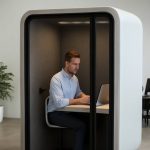
Ergonomics is another non‑negotiable pillar. Gone are the days of rigid, uncomfortable chairs that make participants count the minutes until a break. Instead, expect ergonomic furniture that supports the spine through hours of negotiation and brainstorming. Height‑adjustable desks, soft seating corners for informal chats, and tables configured to optimize sight lines for both in‑person and video attendees have become baseline expectations. Acoustics receive equal attention. The open‑plan buzz that makes a coworking floor feel alive can become a liability when you need to discuss confidential budgets or conduct a sensitive performance review. That’s why premium meeting rooms in Medellín incorporate intelligent soundproofing, such as acoustic panels, insulated glass, and even completely enclosed soundproof booths nearby for private phone calls without needing to leave the building.
Technology, of course, is the silent enabler of the modern meeting. High‑definition screens with wireless screen‑sharing capabilities, ultra‑fast high‑speed internet backed by redundant connections, and crisp speakerphones that capture every voice equally well—these aren’t luxuries, they’re essentials. Medellín’s growing status as a remote work capital means that hybrid meetings are the default, not the exception. A great room therefore includes plug‑and‑play video conferencing equipment, multiple power outlets positioned where people actually sit, and cable management that keeps the table clean and the mind clear.
Increasingly, the most memorable spaces are those that weave sustainability into their DNA. Medellín is a city deeply connected to its natural environment, and environmentally conscious professionals are drawn to places that reflect that value. You’ll find buildings that integrate recycled materials, living walls that improve air quality, and energy systems that leverage solar energy to reduce the carbon footprint. Bicycle parking, easy access to the integrated public transport system, and water stations that discourage single‑use plastic all signal a space that thinks holistically. For professionals seeking Meeting rooms in Medellin that balance biophilic design with cutting‑edge productivity, the emerging benchmark is a room that doesn’t feel like a sealed box—it breathes, adapts, and helps participants feel genuinely recharged at the end of the session rather than drained.
The role of hospitality cannot be overstated either. A smoothly run meeting is often underpinned by small gestures: an espresso machine stocked with locally roasted beans and a steady supply of panela or unlimited coffee, a support staff member who can troubleshoot a projector in seconds, and a welcoming arrival area where guests feel received rather than processed. Add in practical perks like on‑site printing, mail reception, and secure 24/7 access for teams that collaborate across time zones, and suddenly the room becomes a reliable extension of your own company’s culture. These layers of comfort and reliability are what transform a bare room into a strategic asset.
Real‑World Scenarios Where the Right Space Changes Everything
A meeting room is rarely an end in itself; it’s a stage for a specific outcome. Understanding the range of ways Medellín’s spaces are being used can help you visualize exactly how they might serve your own goals. Picture a scenario that has become increasingly common: a distributed tech team, with developers in Europe and product managers in Latin America, needs to run a quarterly roadmap planning session. Gathering around a laptop in a noisy Airbnb dining room fractures attention and erodes the sense of shared purpose. Opting instead for a meeting room in Medellín equipped with a large digital whiteboard and flawless video‑conferencing instantly levels the playing field. The remote participants feel just as present as the locals, and the dedicated environment signals that this is protected, high‑value time. The difference isn’t just technical—it’s psychological.
Then there is the client pitch. First impressions in business are notoriously stubborn, and the setting in which you present your work either amplifies your competence or quietly undermines it. When a Medellín‑based marketing agency invites a prospective international client to a meeting room in a vibrant, design‑forward location like Ciudad del Río, the surroundings do part of the selling. The visitor perceives an organization that is connected, contemporary, and meticulous about quality. The presence of a creative room or an adjacent terrace for a post‑pitch coffee can organically extend the conversation, moving it from a formal transaction into a more relaxed, relationship‑building space. This fluidity between structured work and informal connection is one of the hidden superpowers of well‑planned flexible venues.
Beyond the boardroom, some of the most impactful uses of these spaces look quite different. Consider a small product design firm that needs a setting for a user research workshop. A typical office might feel too sterile or too cluttered with daily operations. A specialized meeting room in Medellín designed with writable walls, reconfigurable furniture, and soft lounge corners allows the team to prototype, break out into groups, and pin up insights without constraints. Another powerful application is the leadership offsite. A company’s executive team can step away from the rhythm of notifications and walk into a space bathed in natural light and surrounded by greenery—perhaps even a venue that offers an open‑air theatre or a garden area for initial brainstorms. The physical separation from routine helps the mind make cognitive leaps that staying at headquarters rarely permits.
Interviewing, too, finds a better home in a professional meeting room than in a crowded café. Whether it’s a final‑stage candidate assessment or a board interview for a new non‑executive director, a neutral, private, and technologically solid space protects confidentiality and shows respect for everyone’s time. The same applies to training sessions: bringing a dispersed sales team together in a room that supports extended screen sharing, comfortable seat time, and generous break‑out zones can dramatically improve knowledge retention and team morale. What all these scenarios share is a core truth—when you remove friction from the environment, you free people to focus entirely on the substance of their interaction. And in a city as dynamic as Medellín, where the line between work and inspiration is joyfully blurred, the right room turns a calendar entry into a genuine catalyst for growth.