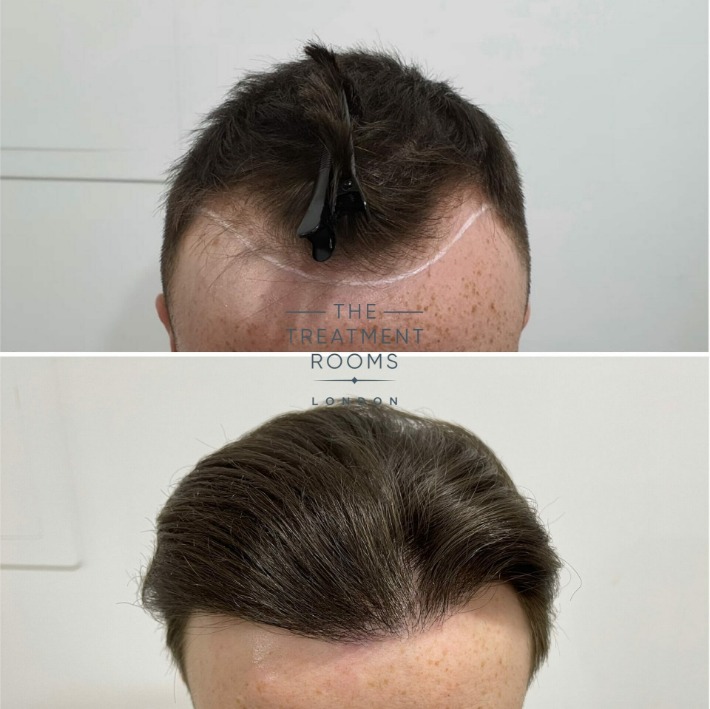
Harley Street and the Gold Standard of Hair Restoration
Few addresses carry the clinical prestige and concentration of expertise found on Harley Street. For generations, this storied medical district has attracted leading surgeons, advanced technology, and a culture of peer-reviewed excellence. In the context of modern hair restoration, Harley Street represents a high bar for safety, artistry, and results—values that matter whether the goal is a stronger hairline, a denser crown, or refined temple work. Choosing a hair transplant here is often about more than location; it is a commitment to meticulous planning, ethical patient selection, and outcomes that stand up to scrutiny under bright lights and close lenses.
World-class clinics in this area typically prioritise an in-depth consultation process. Surgeons assess donor density with trichoscopy, map miniaturisation, and analyse hair calibre to set realistic graft numbers. Follicular Unit Extraction (FUE) and Follicular Unit Transplantation (FUT) remain foundational methods, while nuanced approaches—such as manual vs. motorised punches, implanter pens, or robotic assistance—are selected based on hair type and goals. Patients benefit when surgeons are comfortable across techniques, tailoring strategies to the individual rather than forcing a single modality. This attention to detail is especially vital for Afro-textured hair, higher Norwood stages, or when previous procedures require scar camouflage.
Safety and regulation are integral on Harley Street. Clinics are typically registered with the Care Quality Commission (CQC), and surgeons hold GMC registration and affiliations with bodies like the ISHRS. That framework helps ensure sterile protocols, rigorous oversight, and proper emergency preparedness—elements that are often overlooked when people fixate solely on price. Moreover, Harley Street’s ecosystem of specialists fosters multidisciplinary support: dermatologists for scalp conditions, pharmacists for medication management, and nurses delivering advanced aftercare.
The aesthetic dimension is equally important. Elite teams recognise that naturalness comes from respecting hair direction, angle, and zoning—behaviours that separate a refined hair transplant uk outcome from a passable one. Frontal hairline design accounts for age, ethnicity, and facial proportions; single-hair grafts are reserved for the leading edge, with doubles and triples building density behind. Strategic graft budgeting protects the donor area for future sessions, acknowledging that hair loss is progressive. When this philosophy guides planning, the result is longevity, harmonious framing, and confidence that grows in step with new follicles.
How to Choose the Best Hair Transplant London Clinic: Evidence Over Hype
The phrase best hair transplant london is widely used, but the reality is measurable: credentials, case consistency, and transparent outcomes. Start by confirming surgeon qualifications (GMC registration, surgical CV, memberships in recognised societies). Then scrutinise case galleries with high-resolution, standardised lighting and angles; the strongest clinics show multiple results across hair types, hairline styles, and degrees of loss. Look for clear graft counts, sessions, and timelines. When clinics publish survival rates and donor management strategies, it signals a patient-first culture that prioritises long-term success over short-term volume.
Ethics show up early in the conversation. Reputable practices discourage mega-sessions that exceed donor capacity, avoid one-size-fits-all designs, and speak candidly about limitations. If a scalp is unstable due to ongoing androgenetic loss, surgeons may recommend medical optimisation first—oral or topical finasteride (where appropriate), low-dose minoxidil, or adjuncts like PRP—to stabilise the canvas before committing grafts. This incremental approach aligns with the best outcomes and reduces the risk of chasing density with unnecessary procedures.
Technology matters, but not without technique. Whether FUE is performed with manual punches or advanced devices, skill in extraction depth, punch diameter selection, and graft handling determines survival. The implantation phase is just as critical: creating recipient sites that respect natural angles and micro-randomisation, ensuring proper spacing to preserve scalp blood flow, and avoiding crush injury during placement. Post-operative care should be detailed and supported—wash protocols, swelling management, work/social downtime guidance, and scheduled follow-ups to monitor growth phases.
Transparent pricing and aftercare are hallmarks of quality. Clear per-graft or package pricing should include surgeon-led planning, theatre fees, and aftercare kits—no hidden add-ons. A robust follow-up plan reflects confidence in the work and a commitment to patient outcomes. Equally, independent reviews and word-of-mouth remain powerful indicators. Discovering a trusted clinic for hair transplant london often involves aligning clinical excellence with communication style and bedside manner—choosing a partner who listens as carefully as they operate and who treats donor hair as a finite, precious resource.
Techniques, Timelines, and Real-World Cases: What Results Look Like in the UK
Understanding the journey helps set expectations. FUE involves removing follicular units individually, leaving tiny dot scars that are typically discreet with short hairstyles. FUT, by contrast, yields a linear scar yet often maximises graft yield in a single session; it can be advantageous for extensive coverage or when prior FUE has depleted donor availability. Direct implantation variants may streamline placement, but the fundamentals remain: gentle extraction, minimal out-of-body time, and meticulous site making. For many, combining surgical planning with medical management creates a stable platform for durable density, particularly in cases of ongoing male pattern hair loss.
Typical timelines follow a predictable arc. Days 0–10 focus on healing, with mild swelling and scabbing that resolve under guided aftercare. Weeks 3–8 bring shedding of transplanted hairs (the follicles remain viable); this “shock” phase can be unsettling but is normal. Months 3–6 usher in early regrowth—fine, lighter hairs appearing gradually. Months 6–9 show visible change as calibre improves and density consolidates. By 12 months, most patients appreciate the true outcome, with some maturation continuing into month 15. When surgeons report graft survival rates in the 90–95% range and demonstrate stable donor appearance, patients can reasonably anticipate meaningful, natural enhancement.
Consider a mid-30s professional at Norwood IV seeking a refined hairline and stronger mid-scalp. A 2,800–3,200 graft FUE, with single-hair units defining the front and doubles/triples behind, can deliver notable transformation while preserving donor reserves for future needs. Contrast this with a diffuse thinner who might not be ideal for surgery initially; medical therapy to stabilise miniaturisation, followed by a conservative procedure, may yield better long-term aesthetics. Afro-textured hair presents unique opportunities due to curl geometry, often achieving excellent visual density with fewer grafts—but demands specialised extraction tools and techniques to minimise transection.
Women with patterned thinning require careful diagnosis to differentiate androgenetic alopecia from telogen effluvium, traction alopecia, or autoimmune conditions; in some cases, targeted transplantation of the parting or hairline micro-irregularities can be effective, while broader diffuse loss may respond best to medical therapy and platelet-rich plasma before considering surgery. Eyebrow and beard transplants extend the art form, using fine singles for precise, natural directionality. Throughout, the guiding principle is judicious graft allocation: planning that respects future hair loss, protects the donor region, and prioritises naturalness over aggressive density. In the right hands, a hair transplant delivers not just coverage, but balance—framing the face with subtlety and ensuring that today’s choices preserve tomorrow’s options across the wider landscape of hair transplant harley street and the broader hair transplant london community.