Common Roof Problems and How to Decide Between Roof Repair and Roof Replacement
Roofs face a constant assault from weather, temperature swings, and biological growth. The most frequent issues include missing or cracked shingles, failed flashing around chimneys and vents, roof leaks, granule loss on asphalt shingles, and sagging from prolonged water intrusion. Identifying whether to pursue an Roof Repair or a complete Roof Replacement starts with a thorough inspection that assesses age, extent of damage, and underlying structural integrity.
Minor problems such as isolated leaks, a few missing shingles, or small areas of flashing failure are typically resolved with targeted repairs. Prompt attention to these issues prevents water from penetrating decking and framing, reducing the risk of mold, rot, and insulation damage. Emergency interventions like temporary tarping and quick Roof Leak Repair can stabilize the structure while a permanent plan is developed.
Replacement becomes the preferred option when the roof has exceeded its expected service life, widespread shingle deterioration is present, multiple leaks have compromised sheathing, or fascia and soffits show rot. A New Roof Installation not only restores protection but also allows for upgrading to higher-performance materials, improved ventilation systems, and modern underlayments that extend longevity and efficiency. Budget considerations are important, but long-term costs often favor replacement when recurring repairs accumulate.
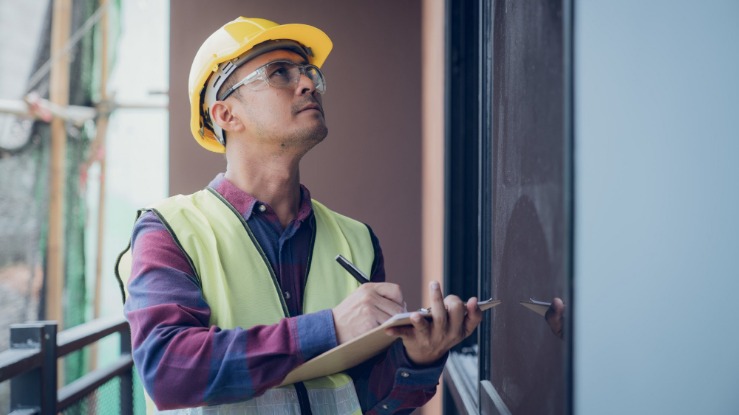
Documentation from a professional inspection should include photographs, a written damage assessment, and recommendations. This information helps homeowners weigh immediate repair costs against the long-term benefits of replacement, factoring in energy savings, curb appeal, and resale value. Prioritizing safety—avoiding DIY roof work unless trained and insured—is essential when dealing with roofing issues that affect structural stability.
How to Choose a Trustworthy Roofing Company or Roofer near me in North Jersey
Selecting a reliable contractor requires more than an online search for a Roofer near me. Verification of credentials, transparent pricing, and local reputation are critical. Start by confirming state licensing and current insurance, including general liability and workers’ compensation. A reputable Roofing Company will gladly provide certificate copies and detailed estimates that break down labor, materials, and permit costs.
Local experience matters—contractors familiar with North Jersey’s climate understand how freeze-thaw cycles, heavy snow loads, and coastal storms impact flashing choices, ventilation strategies, and shingle warranties. Request references or recent project photos and check third-party reviews on trusted platforms. Warranties should cover both materials and workmanship; ask whether the company offers manufacturer-backed warranties and whether a workmanship warranty is provided in writing.
Communication and project management practices set the best companies apart. Clear timelines, daily cleanup procedures, and a single point of contact reduce surprises. For storm-affected neighborhoods, verify that the contractor uses company-owned crews rather than transient storm-chasers who may lack local permits or a permanent address. In cases where fast action is required, confirm availability for Emergency Roof Repair and the process for temporary protection versus permanent fixes.
Choosing a contractor can be expedited by reviewing recent local projects. For homeowners seeking immediate local assistance, the team at Roof Repair North Jersey is an example of a locally-focused service that highlights licensing, warranties, and storm-response experience through case studies and transparent estimates.
Real-World Examples: Case Studies of Roof Leak Repair, Replacement, and Emergency Response
Case Study 1 — Rapid Leak Containment: After an intense spring storm, an older Colonial-style home developed multiple leaks around dormers and a chimney. A quick assessment identified failed flashing and saturated sheathing in two valleys. Immediate measures included temporary tarping and targeted Roof Leak Repair to stop active water entry, followed by a phased replacement of the affected roof plane. The homeowners avoided interior damage and completed the full repair within three weeks.
Case Study 2 — Full New Roof Installation for Long-Term Value: A mid-century ranch had a roof nearing 30 years with severe granule loss and curling shingles. Multiple previous patch repairs had been performed. A full Roof Replacement was recommended to eliminate chronic issues and improve attic ventilation. Upgrading to architectural shingles with a high-wind warranty and installing ridge vents improved energy efficiency and added 15–20 years to the home’s weather protection.
Case Study 3 — Emergency Structural Stabilization: A townhouse suffered roof decking collapse after an ice dam failure. Immediate Emergency Roof Repair included structural bracing, removal of compromised decking, and temporary waterproofing to prevent further interior damage. The permanent solution involved replacing decking, reinforcing trusses where necessary, and installing ice-and-water shield at vulnerable edges to mitigate future ice dam formation.
These real-world examples illustrate the importance of timely intervention, correct diagnosis, and choosing solutions that balance immediate needs with long-term resilience. Whether addressing a single leak or planning a comprehensive replacement, documentation, permits, and certified installers are essential to protect investment and ensure code compliance in North Jersey and surrounding communities.